Omniterra Pulse · Application 06

Reconstruct the ground-motion history around a major loss.

Add pre-event and post-event ground behavior to a major-loss investigation, with evidence strength and asset overlap kept explicit.
Starts with
A site boundary, asset geometry, and review period.
You receive
A rapid scoped chronology for the loss site, supplied milestones, and named assets under review.
Product output / application view
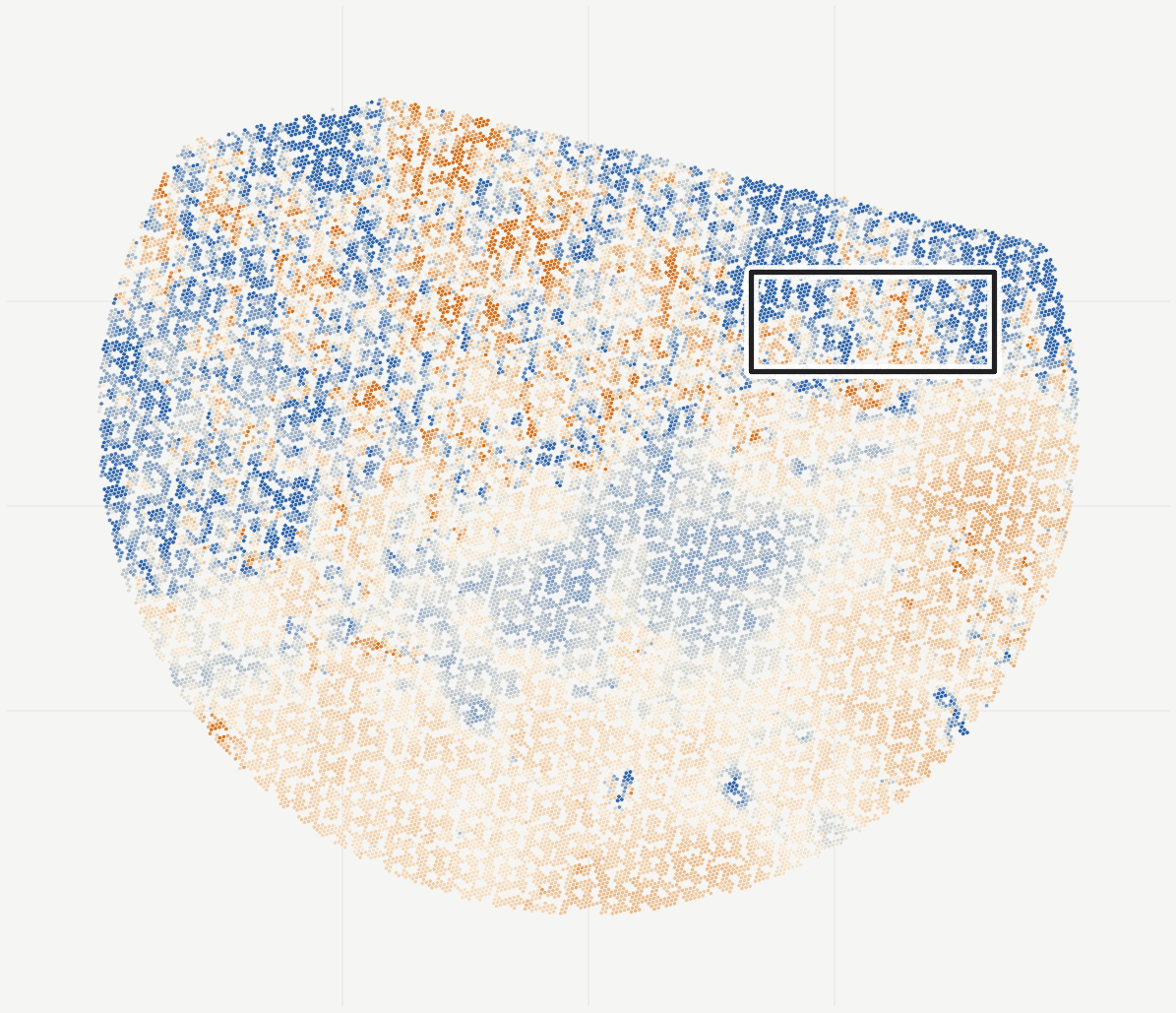
Pulse focused ground-motion evidence for major-loss review.
Review motion history, acceleration, temporal coherence, coverage, and asset overlap in the same spatial view.
01 / Operational outcome
What improves

Give experts an independent movement history after a major loss.

The workflow is organized around one operating question: Was supported movement present before the event, did the rate change, and where should forensic work concentrate?
Benefit 01

Recovers independent history after the fact

Output used

Pre-event baseline and post-event movement comparison

Benefit 02

Narrows expert and inspection effort

Output used

Acceleration windows and acquisition-level evidence history

Benefit 03

Makes evidence gaps visible before positions harden

Output used

Claims-ready executive summary and expert technical handoff

02 / Operational context
Who uses it and when

Start with the operating team, trigger, and decision.

The technical scope starts from the operating moment, available observations, site geometry, time window, and the result the team needs to use.
Teams
Loss adjusters, insurers, forensic engineers, brokers, counsel, and large industrial owners.
Primary users
Major-loss director, adjuster, forensic lead, claims counsel, or risk director.
When it applies
A large claim involving settlement, slope movement, adjacent works, water, foundation concerns, or incomplete historic monitoring.
Decision to support
Was supported movement present before the event, did the rate change, and where should forensic work concentrate?
03 / Evidence and deliverables
Configured workflow

A rapid scoped chronology for the loss site, supplied milestones, and named assets under review.

The workflow connects named inputs, spatial processing, technical review, and reusable outputs for a defined site state or review period.
Pulse keeps the radar history, motion products, signal quality, and supplied assets in one reviewable site record.
Output set

What the team receives to support the decision.

01

Pre-event baseline and post-event movement comparison

Mapped across the available radar acquisition history for the selected review period.

02

Acceleration windows and acquisition-level evidence history

Calculated over the supplied assets and site geometry for direct comparison.

03

Asset overlap, confidence, observability, and coverage state

Displayed with temporal coherence, observation coverage, and reference-frame metadata.

04

Claims-ready executive summary and expert technical handoff

Provided in browser, document, and open spatial formats for downstream analysis.

04 / Related use cases

Bring the decision and the site evidence.
Define the record that can support it.

A rapid scoped chronology for the loss site, supplied milestones, and named assets under review.

Send the decision date, site or capture, review period, and the assets or work package under review. We will reply with the required inputs, processing scope, output formats, and next step.

Email Us

Performance cookies.