Check ground-movement history before investing.
Review historical and recent movement around an industrial site before acquisition, refinancing or major capital work.
For technical due-diligence advisors, infrastructure investors, lenders, insurers, and industrial asset managers.
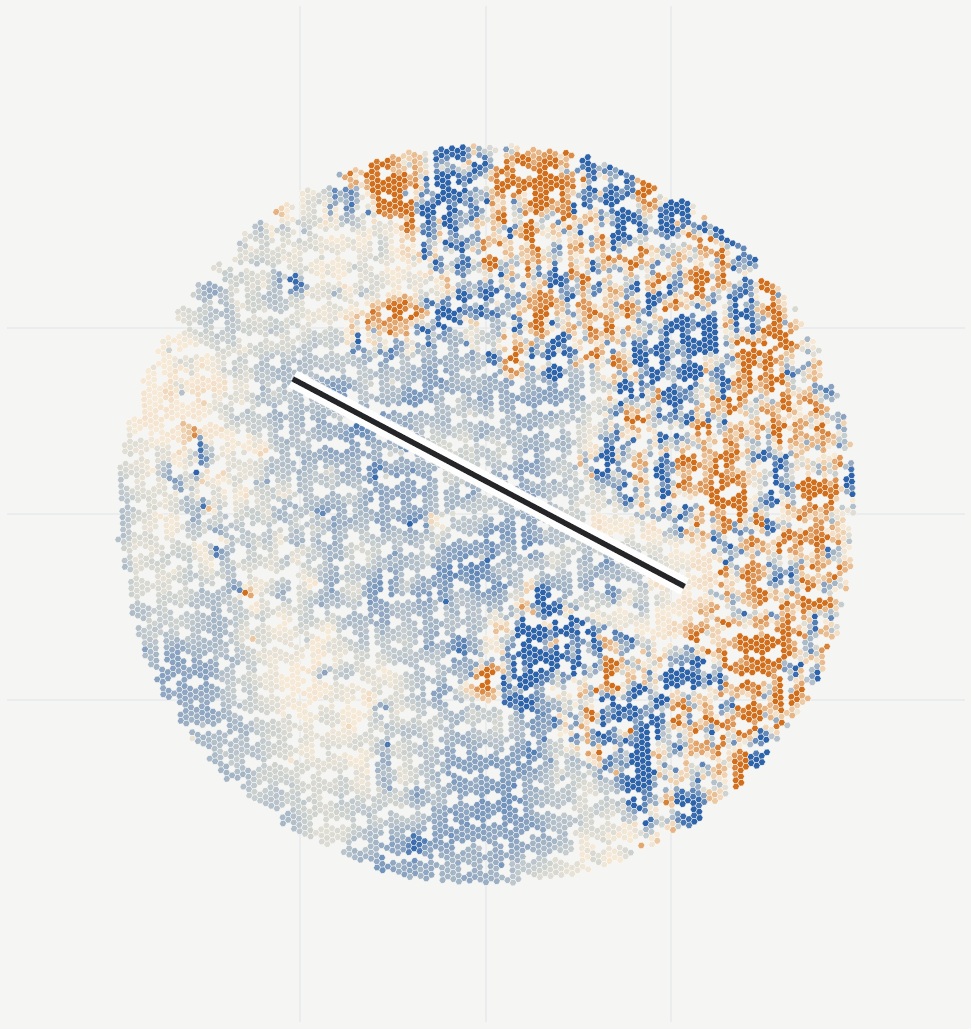
What you receive
Focus due diligence on areas that need investigation.
A ground-movement study for one asset and your due-diligence questions.
When it helps
A transaction, refinance, covenant review, insurance placement, or capex decision with limited site history.
- Historical movement
- Compare long-term trends with recent movement across the asset under review.
- Areas for investigation
- Locate persistent or accelerating movement around supplied buildings, roads and utilities.
- Coverage and follow-up
- Identify gaps in the satellite record and questions to take into the site visit.
- Due-diligence report
- Receive a short decision summary, technical methods and GIS files for your engineering advisors.
Delivery
Start with the site you need to understand.
We run the analysis and review the observations with your team.
Send the site and relevant dates
A site name, map link or boundary is enough to start. Include any asset boundaries and monitoring records you have.
Agree the outputs and cost
We check radar coverage and agree the history, asset groups, reporting schedule and cost.
Review the results together
Review movement histories and locations for follow-up. Choose a one-off study or continue with regular updates.
Questions this review helps answer
Which movement patterns deserve a condition, reserve, further investigation, or post-close monitoring plan?
How should we use the measurements?
Pulse is a screening and evidence input to diligence, not a property valuation, engineering certification, or warranty of future performance.